Reviver enters strategic partnership with Ainir
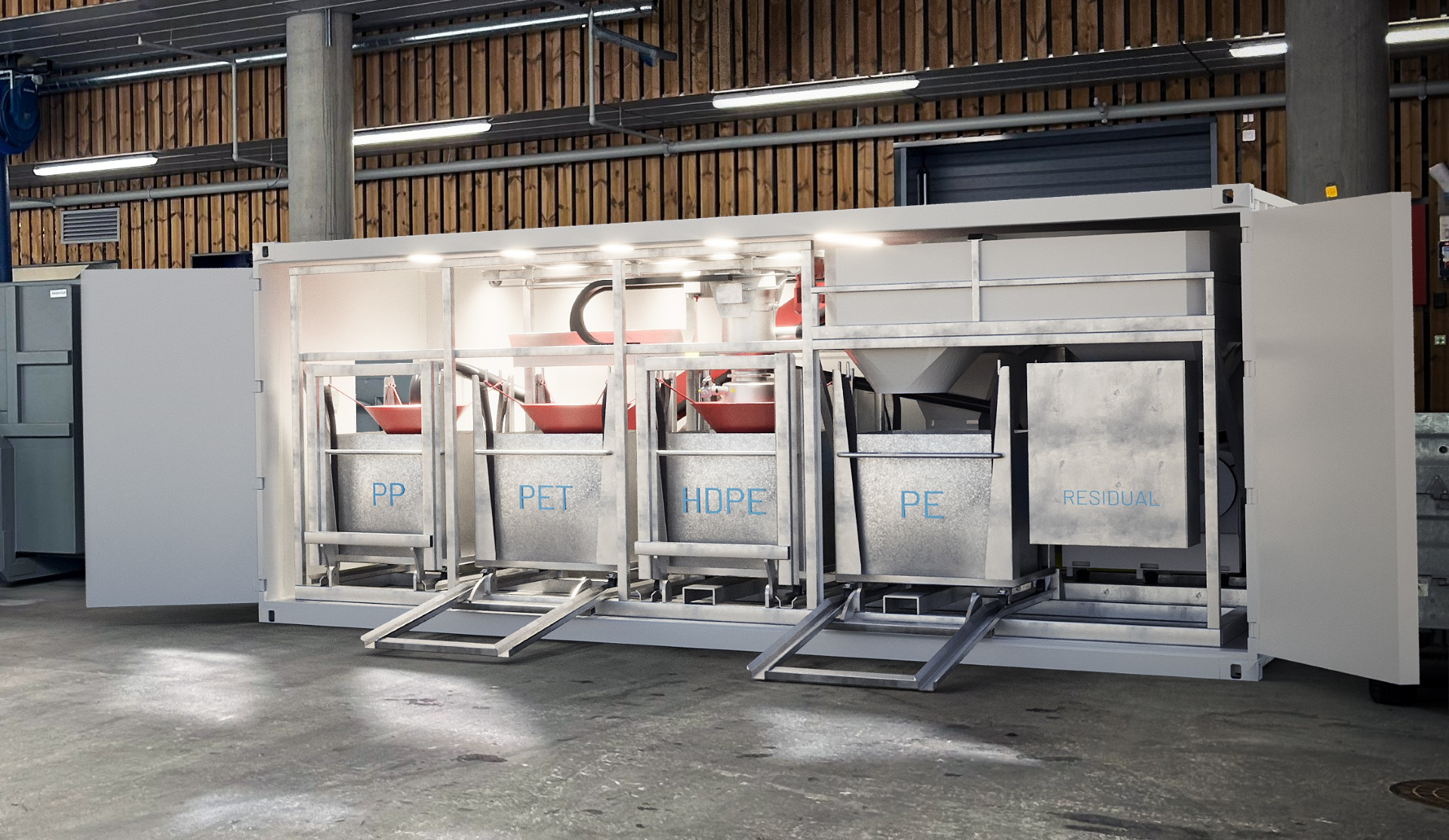
Ainir sorts. Reviver traces. Together, hospital plastic stops being waste and starts being a resource.
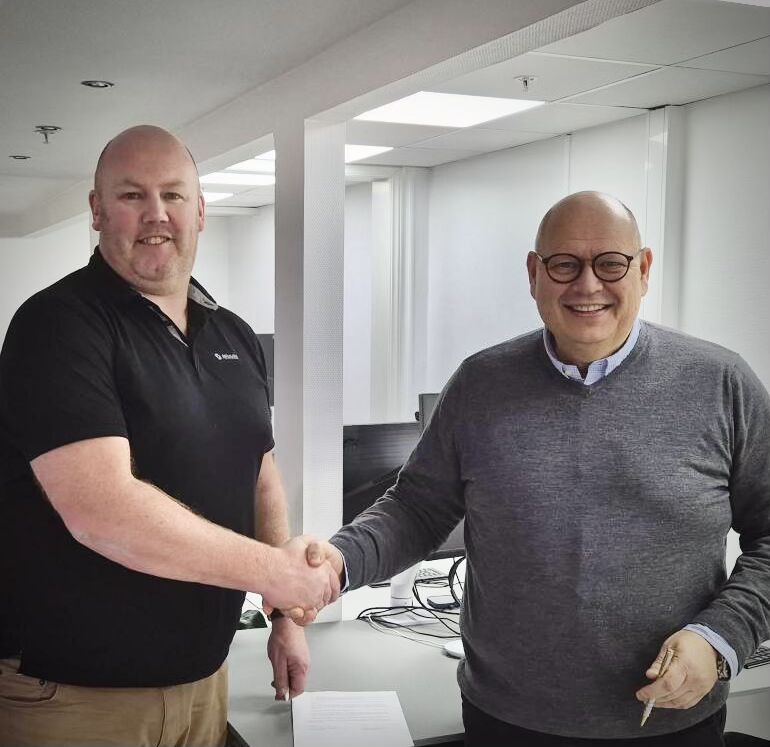
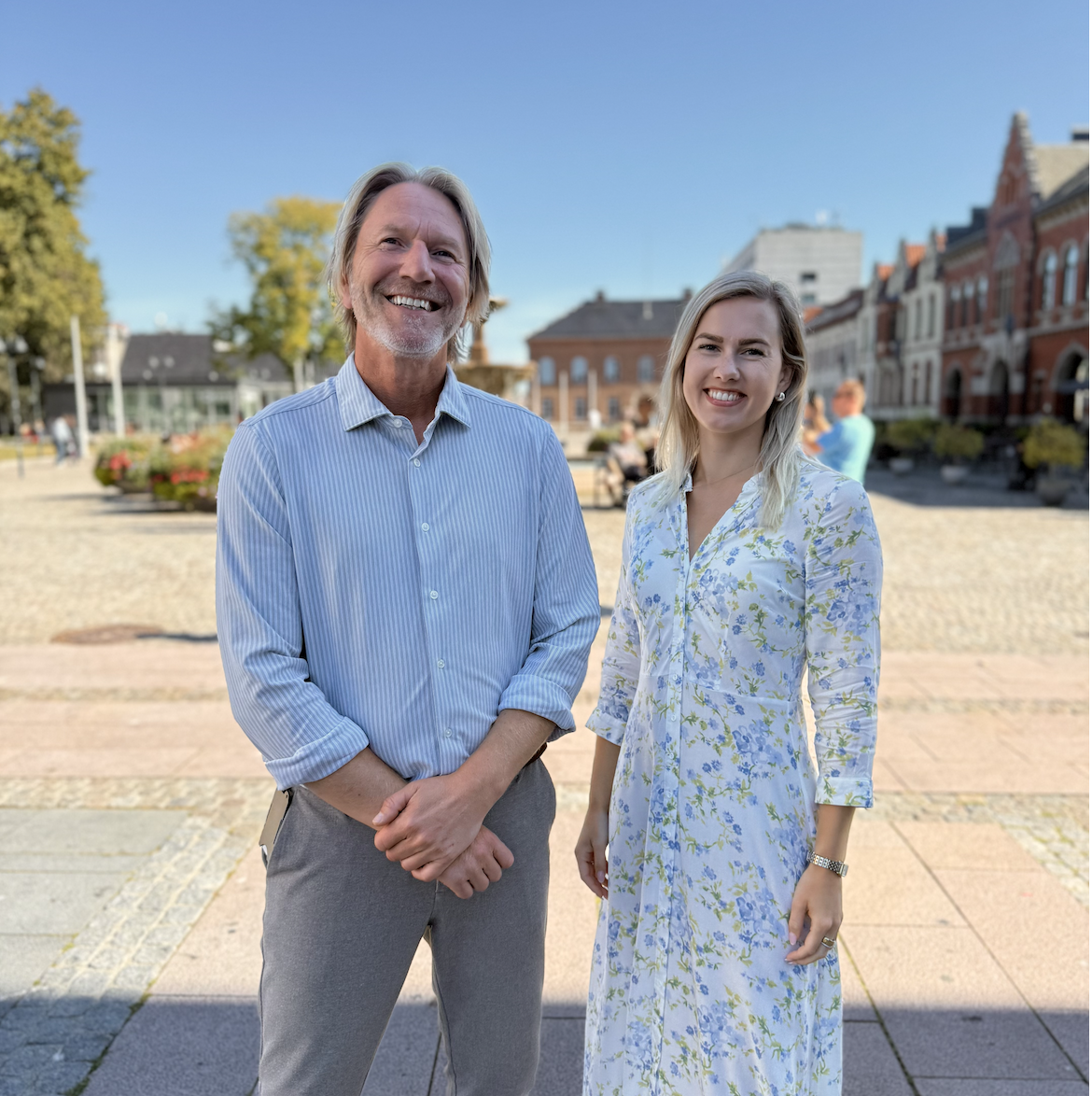
Tor Oskar Wilhelmsen, CEO Reviver and Einar Vangsnes, CEO Ainir, are looking forward to speeding the circular economy with new technology.
Every year, Norwegian hospitals sort hundreds of tonnes of plastic. At Haukeland University Hospital alone, 100 tonnes are separated from general waste annually — much of it clean, mono-material plastic with genuine market value. Yet until recently, the majority was still sent to incineration. Sorted, but not saved.
This is the gap Reviver and Ainir are building to close.
The problem isn't a lack of will. It's a lack of infrastructure. When sorted hospital plastic enters conventional waste streams, it loses its identity. There's no documentation of material type, origin, or quality — and without that documentation, there are no buyers. The plastic becomes indistinguishable from lower-grade material, and incineration becomes the default.
Ainir addresses this at the source. Their Cyclotronics platform uses AI-driven spectral analysis and computer vision to sort and identify plastic directly at hospitals, before contamination or value loss occurs. Each material stream is classified by polymer type and product category, producing the kind of refined, consistent material that downstream manufacturers can actually use.
Reviver connects that sorted material to the market. By adding a digital layer for traceability, transactions, and logistics, Reviver turns documented material into tradable material — creating the infrastructure for verified, circular trade of hospital plastic at scale.
Countries that have built these chains show what's possible: in Belgium, 25 hospitals now recycle plastic tubing into wall panels used back in their own facilities. In Australia and New Zealand, IV bags and oxygen masks from over 250 hospitals become garden hoses and playground equipment.
Norway has the material. The technology now exists to document it. What's been missing is the infrastructure to trade it — and that's what this partnership sets out to build.