Reviver on stage at Avfall ved Kysten and UiG-dagen 2026
Last week, Reviver was represented at two of the industry's key gatherings in Vestfold, Norway – Avfall ved Kysten in Larvik and UiG-dagen, hosted by Sirk Norge in Stavern. The message from both stages pointed in the same direction: for Norway to succeed with the circular economy, material flows need to become traceable.
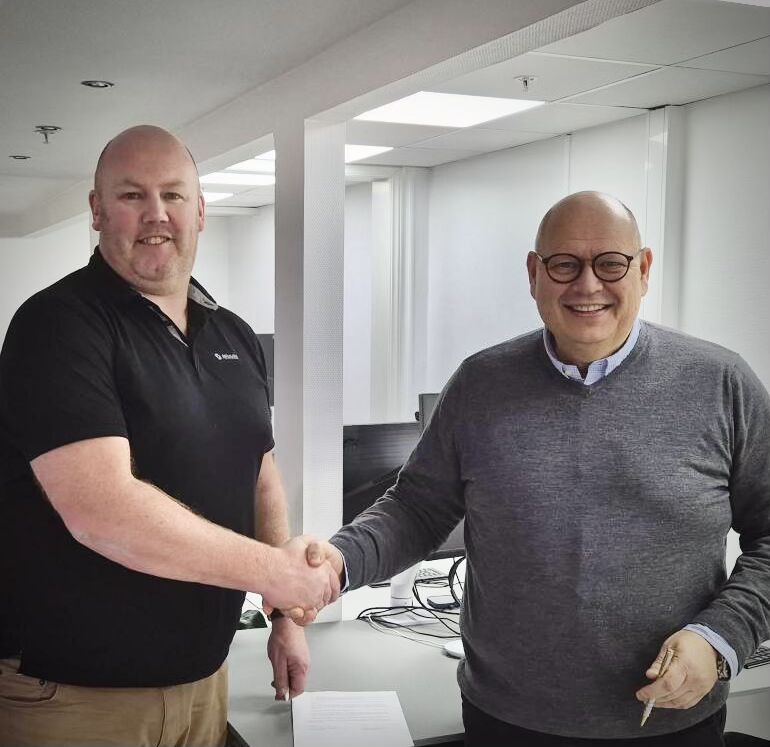
Avfall ved Kysten and UiG-dagen brought together industry players, recyclers, producers and young professionals for two days of expert talks, debate and networking. Reviver was represented with presentations at both events: Emma Lunden at UiG-dagen, and Tor Oskar Wilhelmsen and Petter at Avfall ved Kysten.
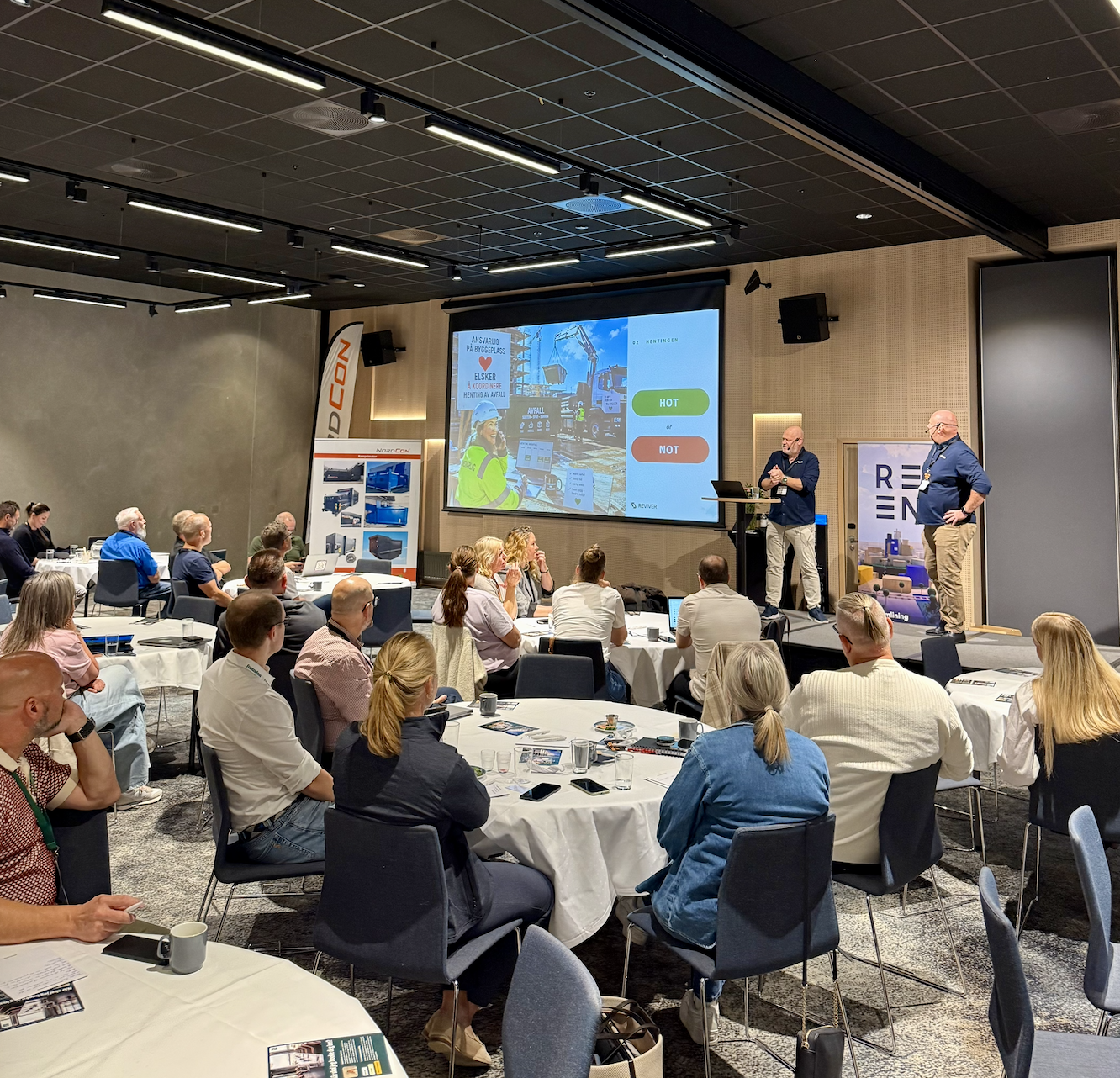
Petter Beer-Blomkvist, Head of Sales and Tor Oskar WIlhelmsen , CEO at Reviver presenting at Avfall ved Kysten.
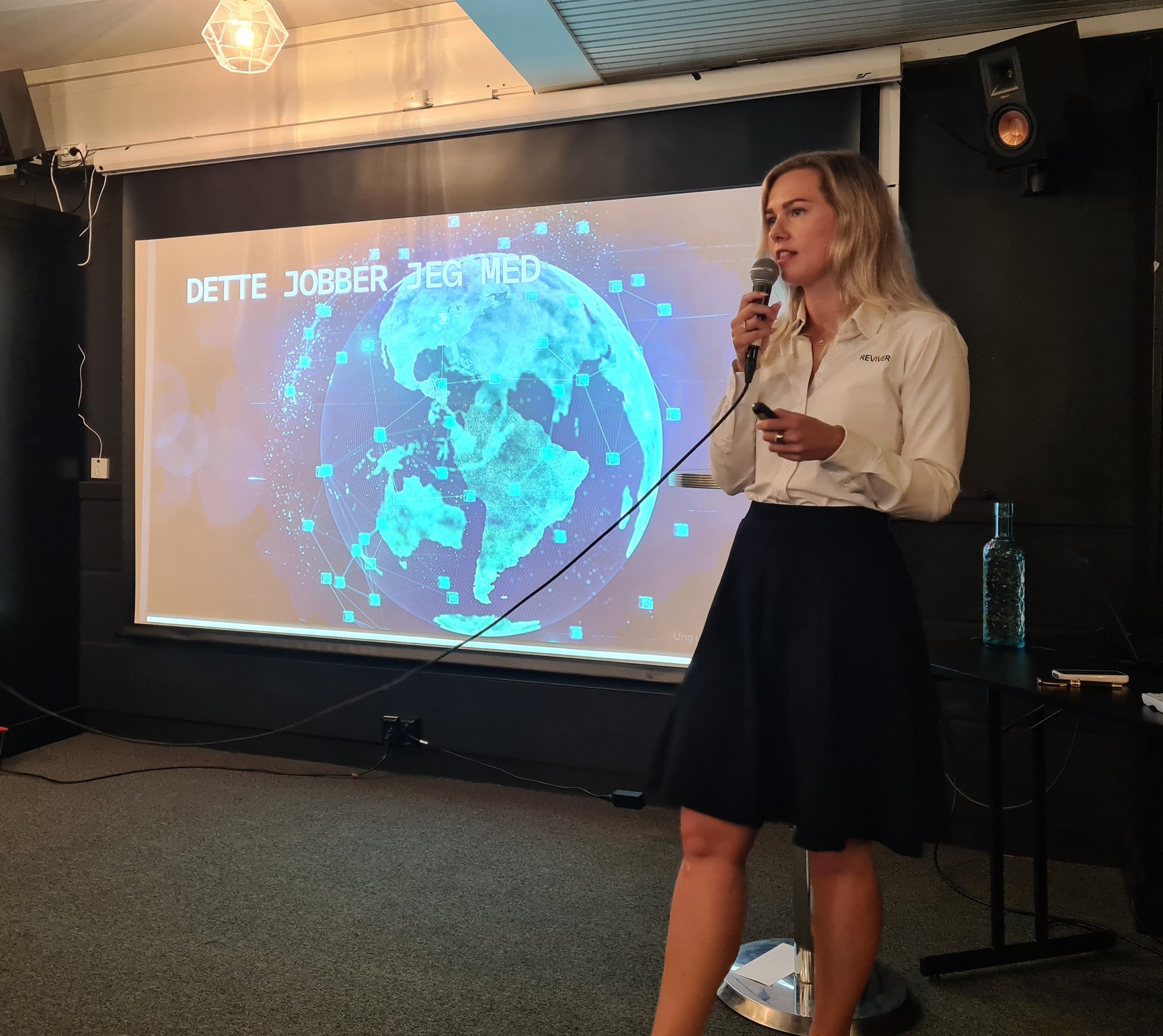
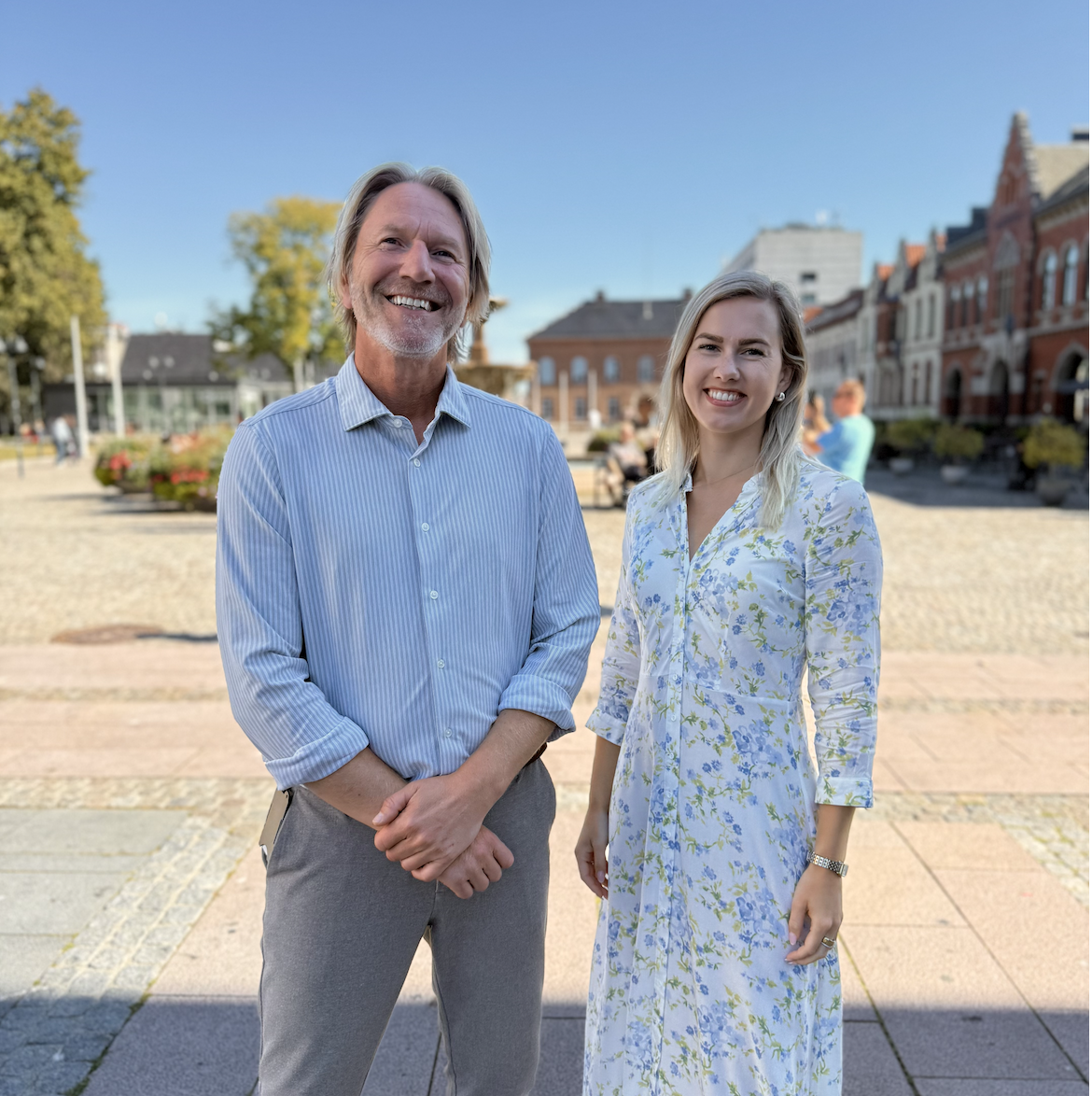
Emma Lunden, Head of Partnerships and Comms at Reviver, presenting at UiG-gathering in Larvik.
Traceability as a precondition for competitiveness
At UiG-dagen, Emma Lunden, Head of Partnerships & Comms at Reviver, gave the talk "How do we build the future trade in recycled raw materials?". The core message: recycled raw material won't become competitive with virgin material simply by collecting more of it.
"For recycled material to become competitive, it's not enough to collect more. What's needed is clean fractions, traceability from source to new raw material, a digital product passport that standardizes the proof, and lower costs in the steps before recycling itself," says Emma Lunden.
She also pointed out that this is no longer a purely Norwegian debate. EU regulation such as the Digital Product Passport (under the ESPR/PPWR framework) and CSRD is being phased in gradually, sector by sector, making material traceability a legal requirement for an increasing number of producers across Europe.
"The companies that build this traceability before they have to will gain a head start that others will later have to pay to catch up on," says Lunden.
Construction: 25 percent of the waste, the least documented
At Avfall ved Kysten, Tor Oskar Wilhelmsen and Petter from Reviver presented the Reviver Flow solution in a "Hot or Not" format, challenging the audience to take a stand on statements about the industry's own blind spots along the way.
The construction industry accounts for roughly 25 percent of all waste generated in Norway. At the same time, it's an industry that has long proven that logistics can be handled with precision when it comes to materials arriving at a construction site – while the waste leaving that same site is still, to a large extent, handled manually.
"Materials in are tracked with precision. Waste out is still manual, verbal, and full of guesswork," said Tor Oskar Wilhelmsen during the presentation.
Reviver Flow gives every waste container a digital identity, status and route – from the construction site, through pickup and transport, to reporting. According to Reviver, customers who have adopted the solution have seen sorting rates increase from 68 to 97.5 percent, with an estimated cost-reduction potential of 25–35 percent for contractors.
Two stages, one conclusion
Although the two talks approached different parts of the value chain – the market for recycled raw material on one hand, and construction-site logistics on the other – both landed on the same point: without documentation of where material comes from and how it has been handled along the way, recycled material remains the more expensive, less attractive option.
Reviver thanks Sirk Norge and Reen for the invitation to take part, and for a strong programme at both gatherings.
For more information, contact: Petter@reviver.noP